

Treasury Wine Estates (TWE) has outlined its plans to focus on 10 priority wine brands and cut more than 40 labels in a sweeping overhaul of the business.
The restructure was revealed during TWE’s annual Investor Day at DAOU Vineyards in the United States last week, with Chief Executive Officer Sam Fischer announcing the company’s portfolio will be built around brands that “represent our best opportunity in the most attractive market segments”.
The 10 priority brands are:
- Penfolds
- DAOU
- Matua
- Frank Family Vineyards
- Beaulieu Vineyards
- Stags’ Leap Winery
- Pepperjack
- Squealing Pig
- Wynns
- Coldstream Hills
Fischer said: “Drinkers needs are changing, competition for share of occasion is increasing and consumer expectations of the brand stay engaged with from quality and authenticity to innovation and experiences continue to intensify.
“We continue to see highly attractive growth opportunities within the category. Luxury wine remains highly attractive, underpinned by the premiumization trend as people drink less but better.
“At the same time, lighter and refreshing styles continue to gain relevance and share within the category.”
Fischer said TWE would focus on “three clear growth pillars”— strengthening its luxury red wine leadership in key markets, building a stronger position in luxury white wine and growing its position in “modern refreshment”.
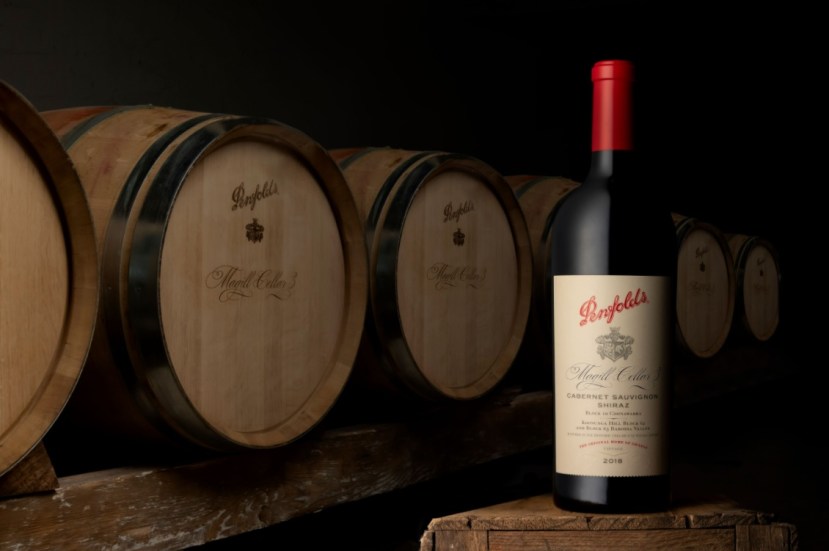
Penfolds, DAOU and Matua were highlighted by Fischer as the company’s “power brands”.
“These three brands represent only 25% of volumes, but 72% of gross profit, highlighting their long-term strategic value,” he said.
“Our power brands will be complemented by a small group of regional heroes. Frank Family Vineyards, Beaulieu Vineyards, Stags’ Leap Winery, Pepperjack, Squealing Pig, Wynns and Coldstream Hills. These brands will play important roles within specific markets, channels or consumer occasions. Today, they represent 10% of volume and 10% of gross profit, while allowing us to target to maintain a targeted presence in key markets.
“We expect power brands and regional heroes to represent 90% of net sales revenue in the next 5 years, up from 68% today. Today, we operate with more than 70 brands across multiple markets and channels. In the future, we will operate less than 30 brands, a meaningful reduction.”
What’s next for TWE’s non-priority brands?
Fischer told TWE’s Investor Day attendees that non-priority brands will be managed over the coming years to “meet customer commitments and to support appropriate production scale and operational efficiency”.
He characterised the non-priority brands as falling into four categories: “tactical brands, transitional brands, divestment brands and the brands that we’re going to retire”.
However, he declined to provide specifics on the labels that would fall into each of those categories.
“We need to take a pragmatic approach,” Fischer said. “[The brands have] a role to play as we transition our supply organisation. So we’re not being overt in declaring the role they’re playing. As that becomes appropriate, we’ll announce that to the market.”

One of the brands called out by analysts was Wolf Blass, which the company unsuccessfully attempted to sell last year, alongside Lindemans, Blossom Hill and Yellowglen.
Fischer said: “I think we haven’t defined Wolf Blass. It still plays a role for us in certain markets and we’ll be managing that through some of the other categorisations that we’ve mentioned previously.”
The future for 19 Crimes
Several analysts also asked about the future of 19 Crimes, which pays homage to 18th and 19th-century British criminals who were sentenced to “punishment by transportation” to Australia rather than facing execution.
Released in 2018, the brand was an instant hit, with sales soaring from four million to 18 million bottles in just 18 months. However, its performance has declined in recent years due to softer demand for cheaper wines.

When pressed on the future of 19 Crimes, Fischer said it was “playing a role in some markets”.
“We’re cognizant of that role and any change or any category that it will go into will be done very cognizant of that role that’s playing in a specific market and also with customers,” he said.
“We can see pockets of opportunity that will continue to be relevant for us as we go through this next period of time. I think it doesn’t have kind of the roots of Matua, which goes back decades to the establishment of Marlborough as the world’s great Sauvignon Blanc region.
“So there’s a history and provenance in Matua that would lend itself to longevity in my view. The thing about 19 Crimes is it was an innovation. It was a bit celebrity-led in a way, and we’ve evolved that into kind of Cali by Snoop and then we’ve got into Tupac. So that’s given us a platform to continue to innovate off if we want, albeit in the US, in particular, we’ve seen a decline in that core part of the portfolio.”
President of Treasury Americas Ben Dollard noted 19 Crimes was still the largest contributor to sales for the division in the US outside of TWE’s priority brands.
Treasury Collective Managing Director Angus Lilley said 19 Crimes also remained a key contributor to TWE’s European business and a top 10 brand in the UK retail market. He said it was a brand “we will continue to support through strong in-market execution”.
However, Lilley said consumers were increasingly seeking “refreshment, lighter, brighter”, with “19 Crimes at that core heartland of red blend at a circa $12 price point in the US”.
“It’s a category that’s probably declining as fast as any. And that’s not just 19 Crimes, that’s across the board,” he said. “So I think it’s also a story of following the consumer to some degree.”
Categories: Business
